
Festivals in India in March 2023 will fill your days with colors of happiness
The festivities in March are not only fun but full of colors, you get religious, regional, and historical all in one month. And as the festivals start there’s only more to expect. And who doesn’t wait for the fun to begin, so let’s take a minute and have a look at the list of Indian […]

The festivities in March are not only fun but full of colors, you get religious, regional, and historical all in one month. And as the festivals start there’s only more to expect. And who doesn’t wait for the fun to begin, so let’s take a minute and have a look at the list of Indian festivals in March 2023.
7th March, Dolyatra
Dolyatra, also known as Doljatra, is a regional holiday celebrated in the Indian state of West Bengal. In Assam and Odisha, it is also known as Dol Purnima. Dolyatra is based on the legend that Lord Krishna declared his undying love for Radha on this day. Dolyatra is also referred to as the “Swing Festival.” Lord Krishna and Radha’s idols are embellished and adorned. They are then swung on decorated chariots or palanquins from one end to the other. Women perform songs and bhajans, while men sprinkle the colored powder on the idols.
7th March, Holika Dahan
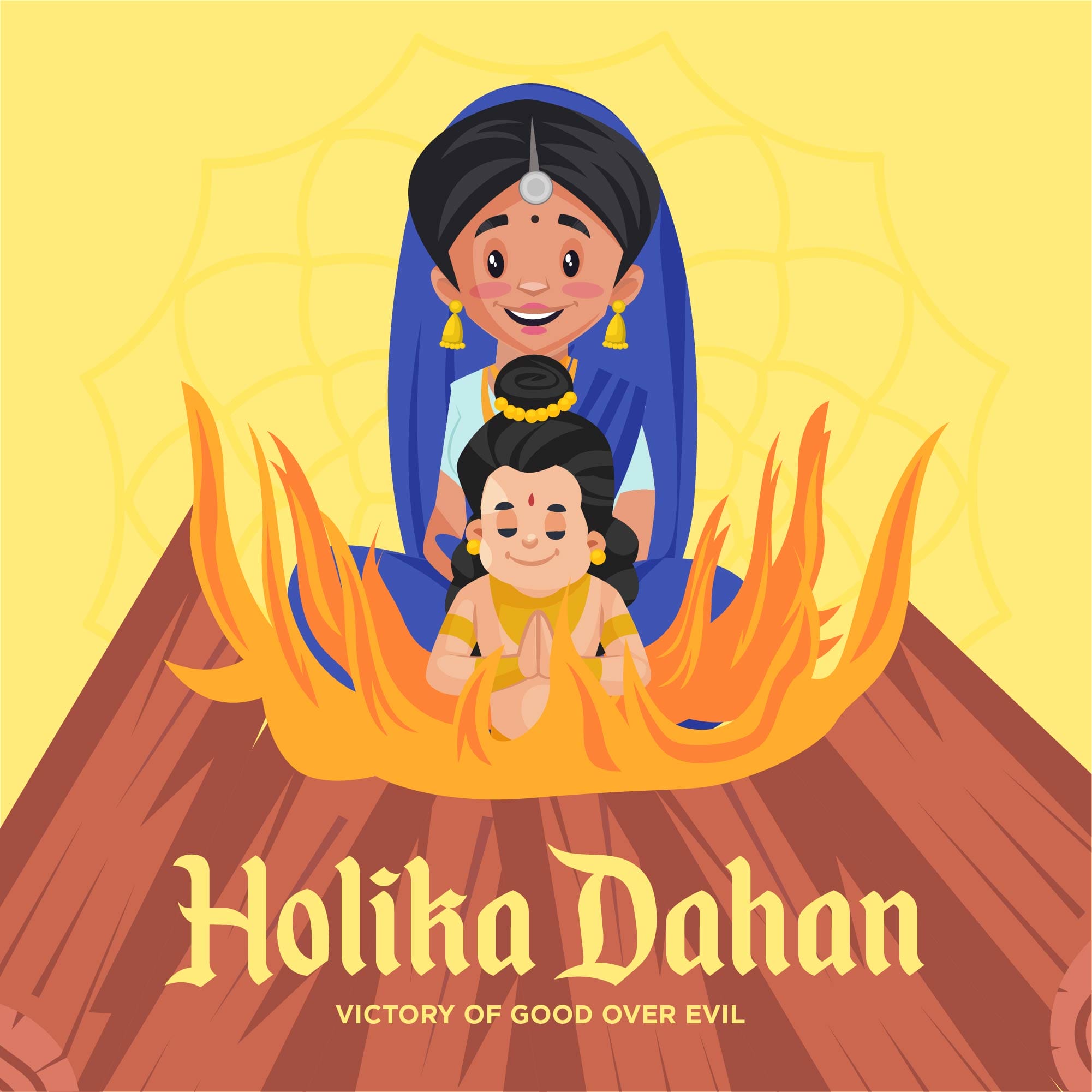
Holika Dahan is celebrated by the burning of Holika, a demoness. Holi represents the triumph of good over evil in various Hindu religions. People contribute a piece of wood or two for the Holika bonfire, which portrays Holika being devoured by the fire in which she attempted to kill her nephew Prahlad, a devotee of God Vishnu, and how Holi gets its name.
7th March, Chaitanya Mahaprabhu Jayanti
Chaitanya Mahaprabhu Jayanti is a Hindu festival celebrated to commemorate the birth anniversary of the famous saint and social reformer Chaitanya Mahaprabhu. He was a 15th-century Indian saint and the founder of Gaudiya Vaishnavism. The festival is observed on the full moon day of the Hindu month of Phalguna, which falls between February and March. Devotees offer prayers and perform various rituals on this day, and special programs are organized in temples and ashrams to celebrate the occasion. Chaitanya Mahaprabhu’s teachings of love, compassion, and devotion are remembered and celebrated during this festival.
8th March, Holi
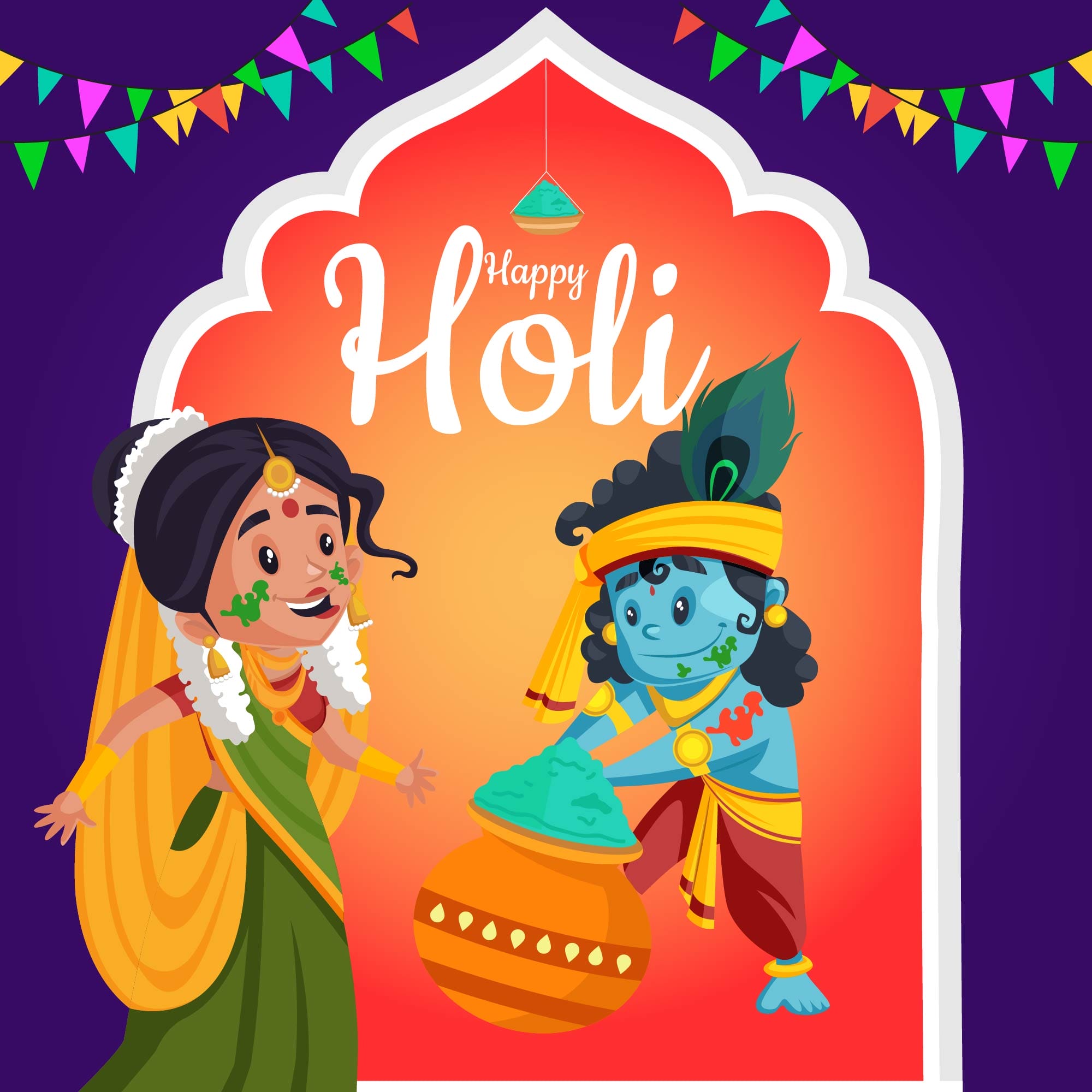
Holi, often known as the “Celebration of Colors,” is a popular ancient Indian festival. The festival remembers Radha Krishna’s eternal and holy love. It also represents the triumph of good over evil, as it commemorates Lord Vishnu’s victory over Hiranyakashipu as Narasimha Narayana. It began and is primarily celebrated in India and Nepal, but it has also spread to other parts of Asia and the Western world via migration from the Indian subcontinent.
8th March, International Women’s Day

The United Nations officially marked the first International Women’s Day on March 8, 1975, as part of the International Women’s Year. This annual occasion is dedicated to celebrating and honoring the remarkable achievements of women while also serving as a call to action to come together and advance gender equality worldwide. Through various events, initiatives, and awareness-raising campaigns, International Women’s Day seeks to promote gender parity and address issues such as gender-based violence, unequal access to education and healthcare, and the gender pay gap. It is a powerful reminder of the ongoing struggle for women’s rights and the need for continued efforts to ensure that women are able to live and thrive as equals in all aspects of life.
12th March, Ranga Panchami
Ranga Panchami is a Hindu festival celebrated in some parts of India, particularly in the states of Maharashtra and Madhya Pradesh. It is usually observed five days after Holi, the popular festival of colors. Ranga Panchami, also known as Shimga, is a festival of joy, merriment, and social gathering. On this day, people throw gulal (colored powder) and water at each other, just like during Holi. However, Ranga Panchami is celebrated in a more restrained and organized manner, with people following certain rituals and customs.
One of the most interesting aspects of Ranga Panchami is the tradition of carrying a pot filled with water and colored powder to the nearby temple. Devotees perform a puja (worship) of Lord Shiva, who is believed to have defeated the demoness Holika on this day. After the puja, the pot is taken out of the temple and the revelers start throwing colors at each other.
In some regions, Ranga Panchami is celebrated as a mark of the end of the harvesting season. Farmers pray for good harvest and prosperity in the coming year. In other regions, the festival is celebrated as a symbol of the victory of good over evil. Overall, Ranga Panchami is a colorful and vibrant festival that brings people together in a spirit of joy and harmony. It is a time to forget all differences and celebrate the bond of love and friendship.
15th March, Karadaiyan Nombu
Karadaiyan Nombu is a Hindu festival that is celebrated by women in Tamil Nadu, India. It falls on the Tamil month of Maasi, which usually falls between February and March. On this day, married women pray for the well-being and longevity of their husbands. The festival is also known as Savitri Vratham or Karadayan Nonbu. Women observe a fast and tie a sacred yellow thread around their necks, which is believed to symbolize their commitment to their husbands. The thread is prepared by mixing turmeric and rice flour, and it is usually tied with a piece of kumkum (vermilion). Women also offer prayers to the Hindu deities, especially the goddess Meenakshi, and prepare special dishes such as adai, a steamed savory pancake made with rice and lentils. The festival is a way of celebrating the sacred bond between husband and wife and reaffirming the importance of the institution of marriage in Hindu culture.
22nd March, Bihar Day
Bihar Day, also known as “Bihar Diwas,” is a public holiday celebrated in the northeastern Indian state of Bihar. It is observed on March 22, the day in 1912 when Bihar was separated from the province of Bengal to become its own province of British India. The holiday is observed by all government offices and schools, and there are various special events. Celebrations might linger for several days in some regions. Street vendors selling a variety of local cuisine, musical and cultural acts, and other unique activities are held.
22th March, Jhulelal Jayanti
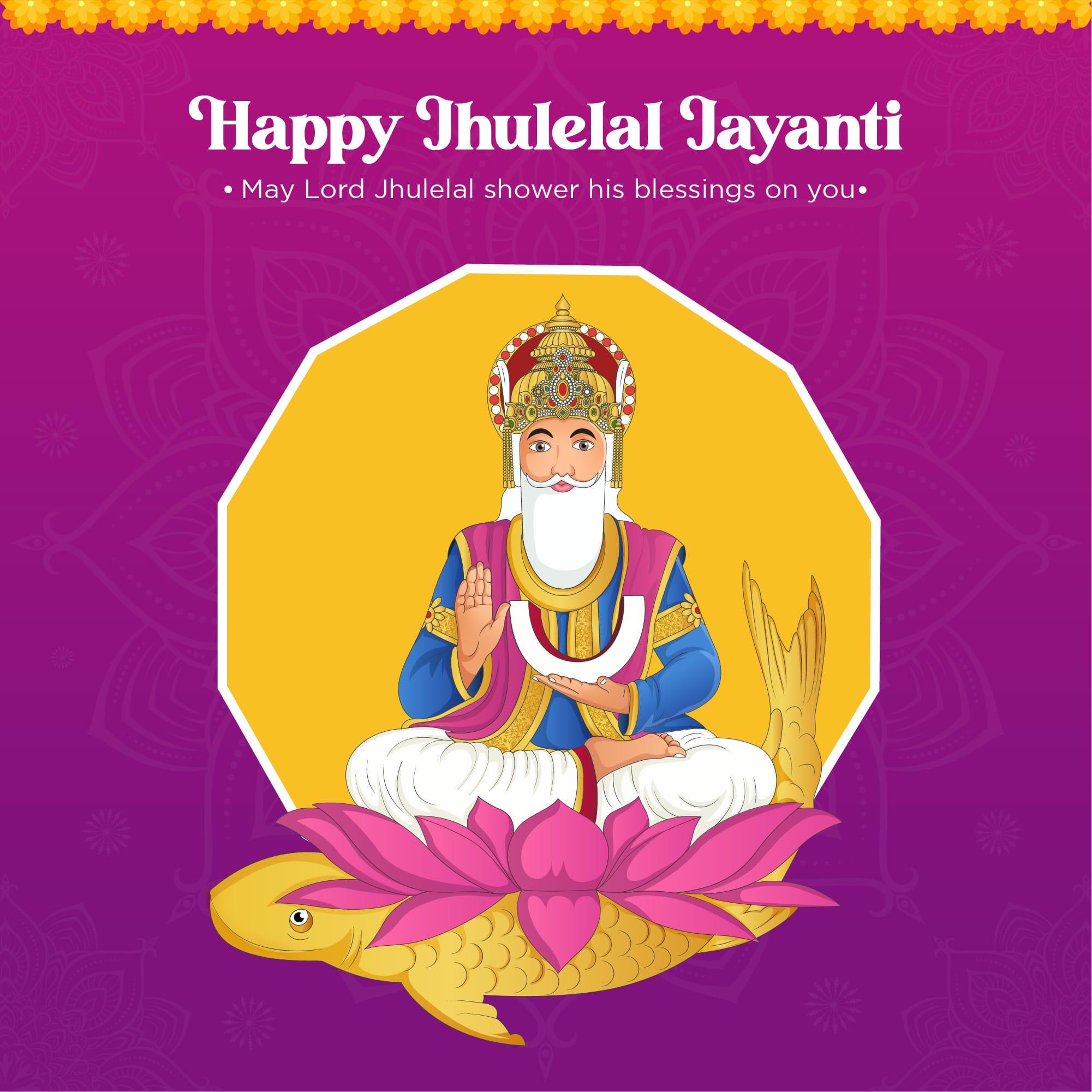
Jhulelal Jayanti is the most prominent event in Sindhi society, it is held largely in the temples of Jhulelal. For Sindhi Hindus, Jhulelal is a term that alludes to their Ishta Dev and considers him an incarnation of the Hindu deity Varuna. Chanting Jhule Lal Jhule Lal is regarded as Sindhi Hindus’ “clarion call.” The date of the celebration is based on the Hindu lunar cycle, the first day of the year, and the Chet month of the Sindhi (Chaitra).
22 March, Chaitra Navratri
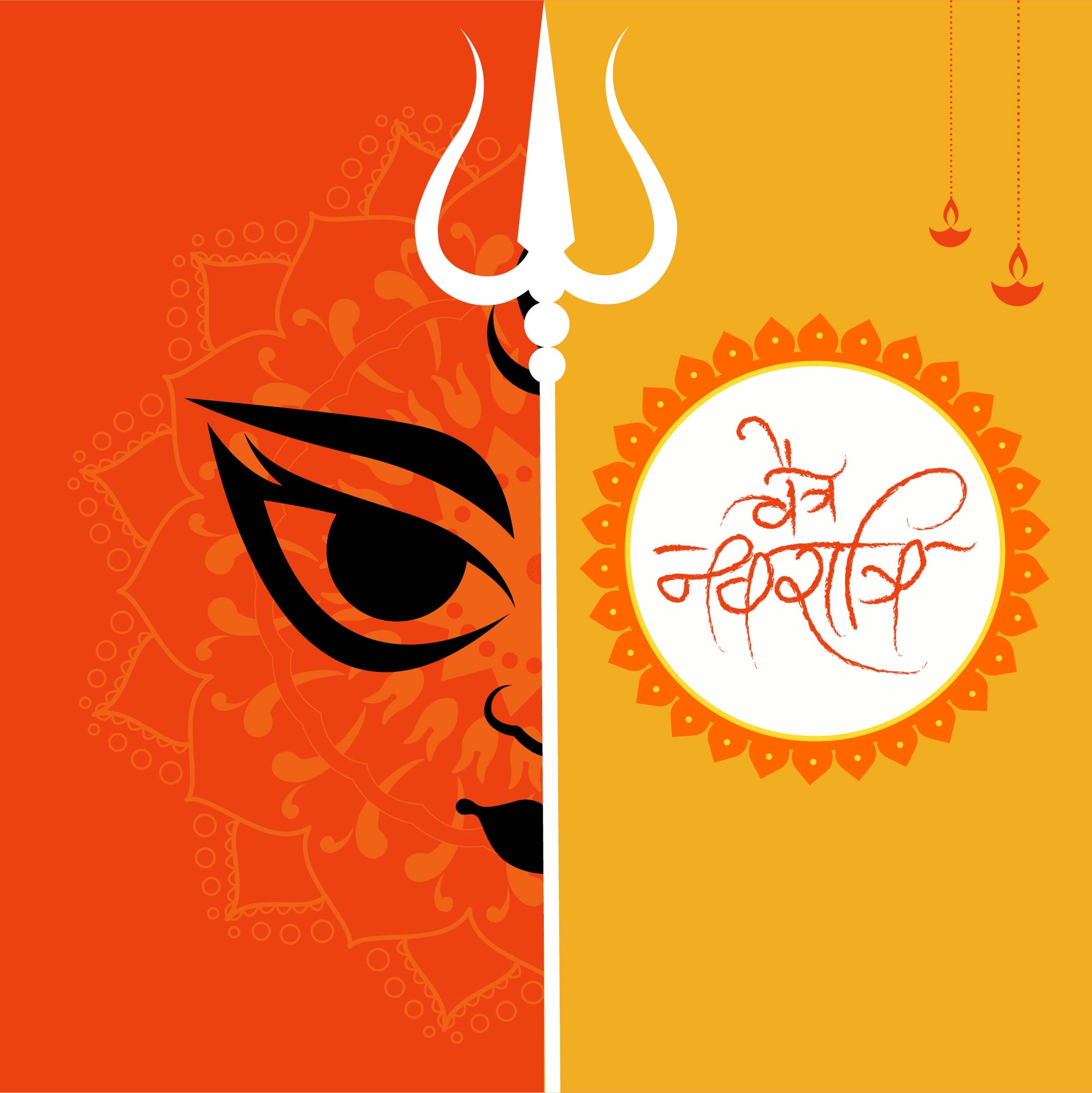
Chaitra Navratri is a Hindu festival celebrated for nine days in the Hindu month of Chaitra, which usually falls in March or April. It is dedicated to the worship of Goddess Durga and her various incarnations. During these nine days, devotees observe fasts and offer prayers to seek the blessings of the goddess. The festival is celebrated with great enthusiasm and devotion in many parts of India, especially in North India. The last day of the festival, also known as Ram Navami, marks the birth anniversary of Lord Rama, one of the most revered deities in Hinduism. The festival is a symbol of victory of good over evil, and is celebrated with traditional rituals and customs, including decorating the houses and temples with flowers, lighting lamps and offering prayers.
22 March, Ugadi
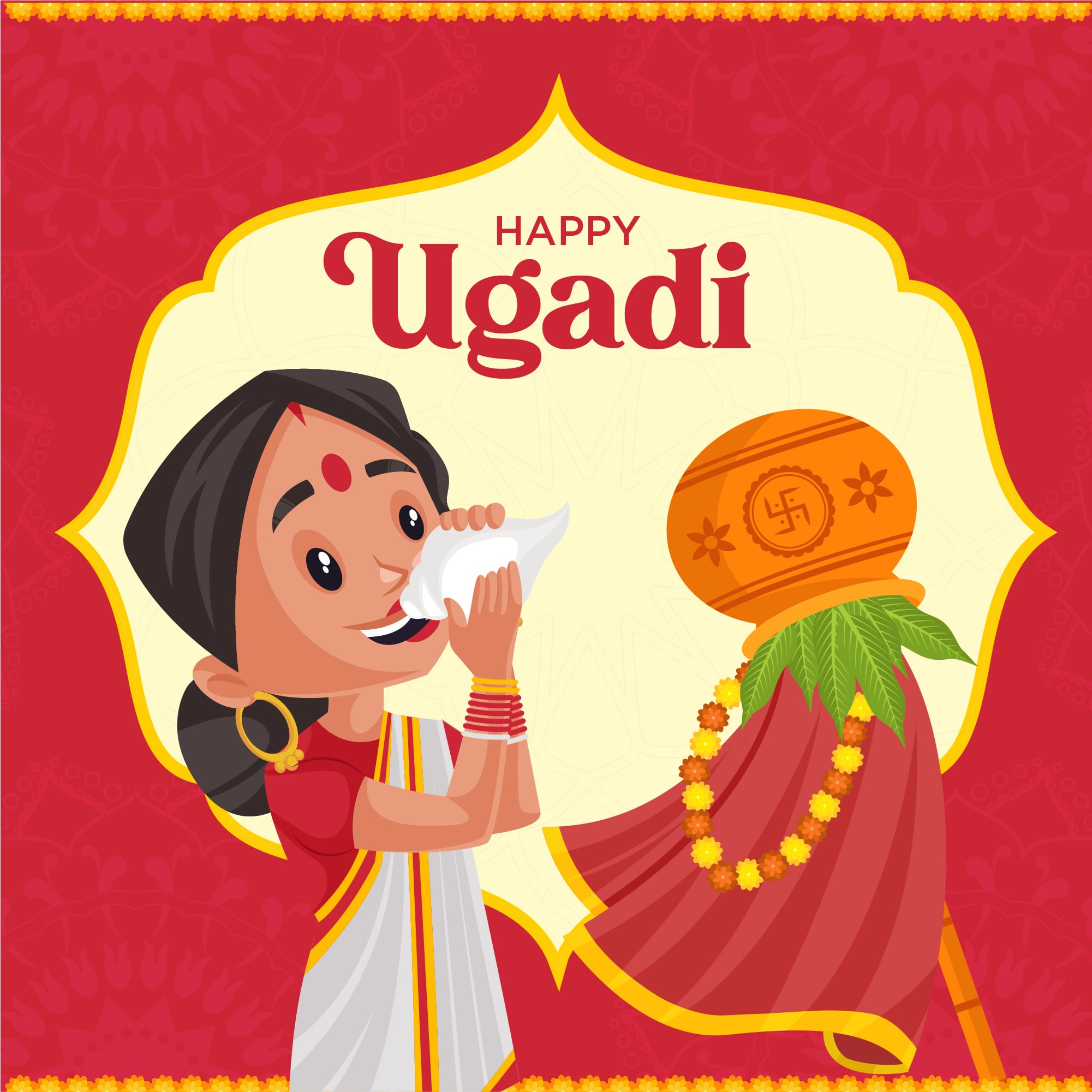
Ugadi, also known as Yugadi, is a popular Hindu festival celebrated primarily in the states of Karnataka, Andhra Pradesh, and Telangana in India. It marks the beginning of the New Year according to the Hindu lunisolar calendar. The festival usually falls in the month of March or April and is celebrated on the first day of the Hindu lunar month of Chaitra. On this day, people wake up early in the morning, take a bath and wear new clothes. They decorate their homes with colorful Rangoli designs and mango leaves. Special dishes are prepared, and families come together to offer prayers to the Hindu deities and seek blessings for the New Year. The festival also signifies the arrival of spring and the triumph of good over evil. It is a time of renewal, hope, and new beginnings, and is celebrated with great enthusiasm and joy.
22 March, Gudi Padwa
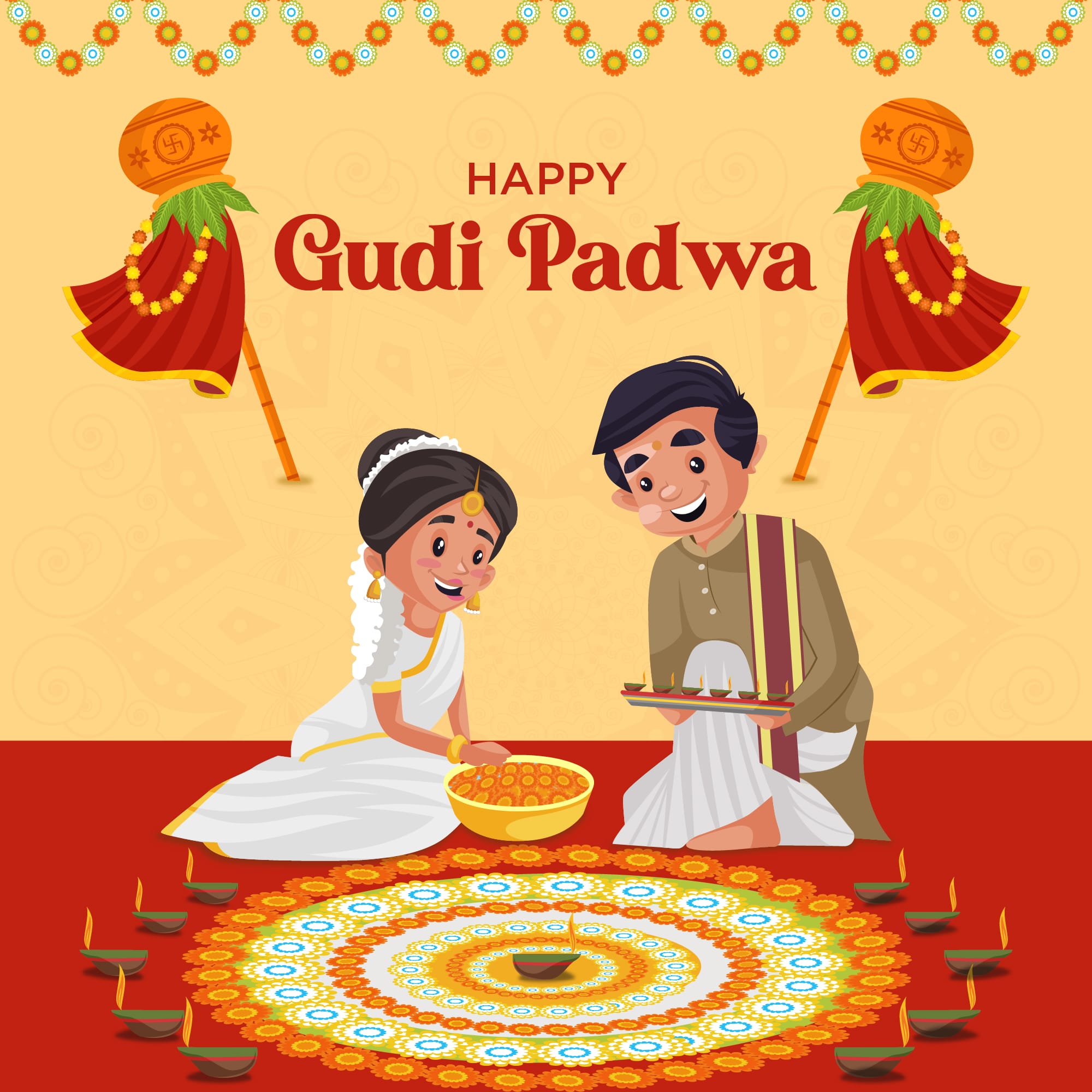
Chaitra Navratri is a Hindu festival celebrated for nine days in the Hindu month of Chaitra, which usually falls in March or April. It is dedicated to the worship of Goddess Durga and her various incarnations. During these nine days, devotees observe fasts and offer prayers to seek the blessings of the goddess. The festival is celebrated with great enthusiasm and devotion in many parts of India, especially in North India. The last day of the festival, also known as Ram Navami, marks the birth anniversary of Lord Rama, one of the most revered deities in Hinduism. The festival is a symbol of victory of good over evil, and is celebrated with traditional rituals and customs, including decorating the houses and temples with flowers, lighting lamps and offering prayers.
23rd March, Shaheed Diwas
Every year on March 23rd, Shahid Diwas or Martyrs’ Day is observed to commemorate the sacrifice of brave freedom fighters Bhagat Singh, Sukhdev Thapar, and Shivaram Rajguru for the nation. Three of them were hanged by Britishers on March 23, 1931. The day is observed to honor and remember those who gave their lives in India’s independence struggle.
23rd March, Sajibu Nongma Panba
Sajibu Nongma Panba, also known as Meetei Cheiraoba or Sajibu Cheiraoba, is the lunar new year festival of the Sanamahism religion in the Indian state of Manipur. The day is observed with various rituals, feasts, and cultural activities. Prior to the event, spring cleaning activities will be witnessed in all Meitei families. It is also customary to purchase new clothing for the new year. Married women offer a gift, generally a piece of fabric, to their father and brothers before the festival day.
24th March, Gangaur(Gauri Puja)
Gangaur, also known as Gauri Puja or Gauri Tritiya, is a Hindu festival celebrated mainly in Rajasthan, Madhya Pradesh, and parts of Gujarat, Uttar Pradesh, and West Bengal. It is observed on the third day of the bright half of the Hindu month of Chaitra, which falls in March. The festival is dedicated to Gauri, a manifestation of Goddess Parvati, who symbolizes purity, austerity, and marital bliss. Women and girls dress up in traditional attire and make colorful idols of Gauri using clay, cow dung, and flowers. These idols are then decorated and taken out in a procession accompanied by music and dance. The festival lasts for 16 days, during which women observe fasts, offer prayers to Gauri, and seek her blessings for the well-being of their families and husbands. On the final day, the idols are immersed in water bodies, symbolizing the departure of Gauri to her husband’s home, Lord Shiva. The festival is also associated with the celebration of spring and the arrival of new crops.
24th March, Sarhul
Three days following the new moon in the Hindu month of Chaitra, Local tribes in the state of Jharkhand celebrate their New Year’s “Sarhul” festival. Sarhul is a public holiday at the state level and also a commemoration of the beginning of spring weather. The literal meaning of “Sarhul” has to do with the worshiping of the trees and the veneration of nature in general. Many locals wear colorful and beautiful traditional dresses. And the “Baa Porob” Flower Festival is held along with Sarhul dancing, Sal Tree worshiping, and numerous other celebrations.
30th March, Rama Navami
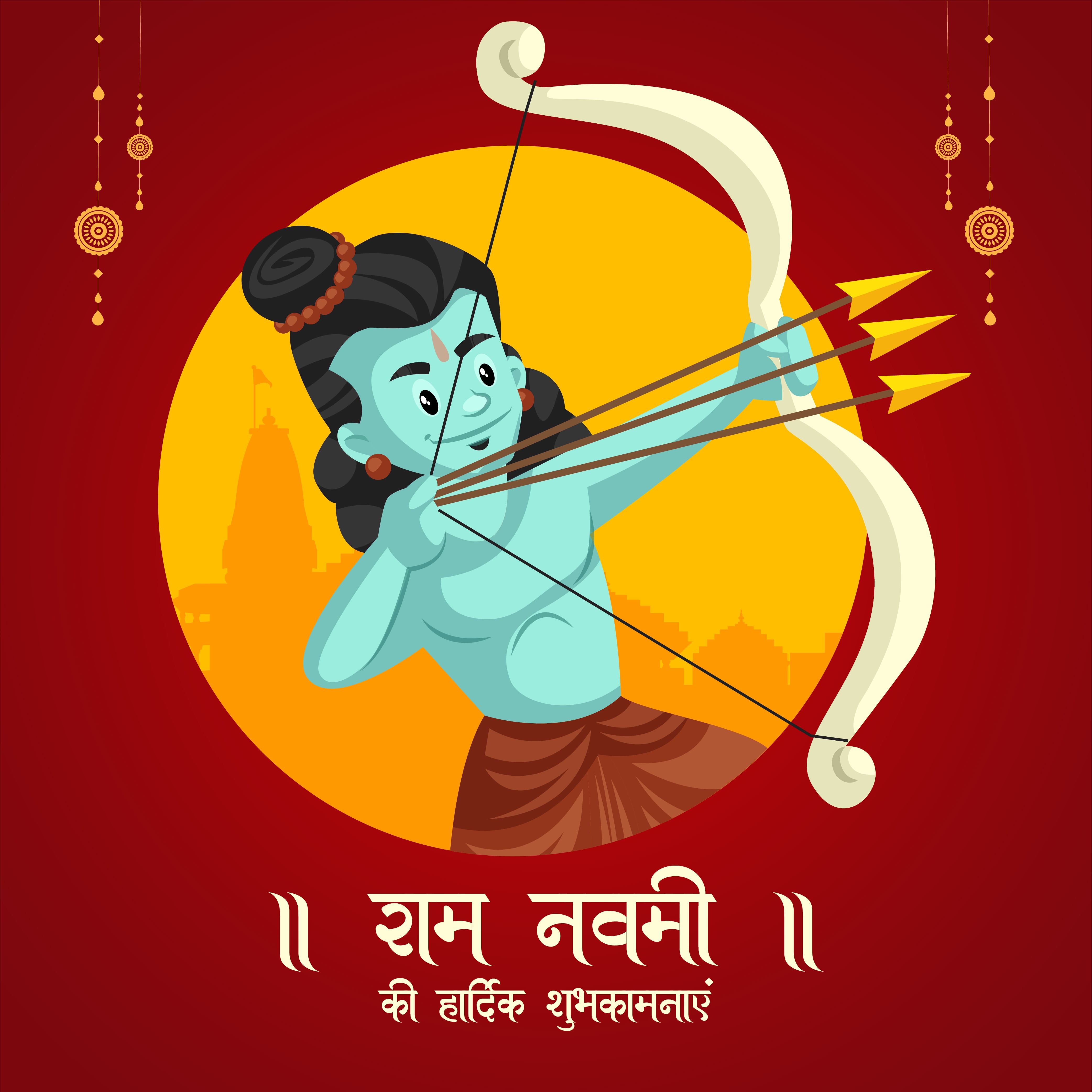
Ram Navami takes place on the Hindu calendar on the 9th day of Chaitra to mark the birth of Lord Rama. The devotees recite the mantras all day long to celebrate the occasion. They present Rama with flowers and fruit and pray to him in the evening in temples and family shrines. In addition, his sculptures will be processioned, his statue rocked in a cradle, drinking a sweet, peppery jaggery beverage drink, fasting till night, and evening feasts.
Read More – Krishna Janmashtami Vector Graphics