
Bearers of Joy! Widely Celebrated Indian Festivals In October 2022
Indian Festivals In October Just like candy that melts in your mouth and fills it with a sweet lingering taste for hours, festivals come to our flavorless days and stir them up into merriment. Hence, days with festivals are like a funfair where you’d find something interesting at every stop. Everyone loves festivals and the […]

Indian Festivals In October Just like candy that melts in your mouth and fills it with a sweet lingering taste for hours, festivals come to our flavorless days and stir them up into merriment. Hence, days with festivals are like a funfair where you’d find something interesting at every stop. Everyone loves festivals and the joy that comes with them and to keep our joy meters high, here’s a list of festivals in October that you wouldn’t want to miss.
2nd October, Gandhi Jayanti.
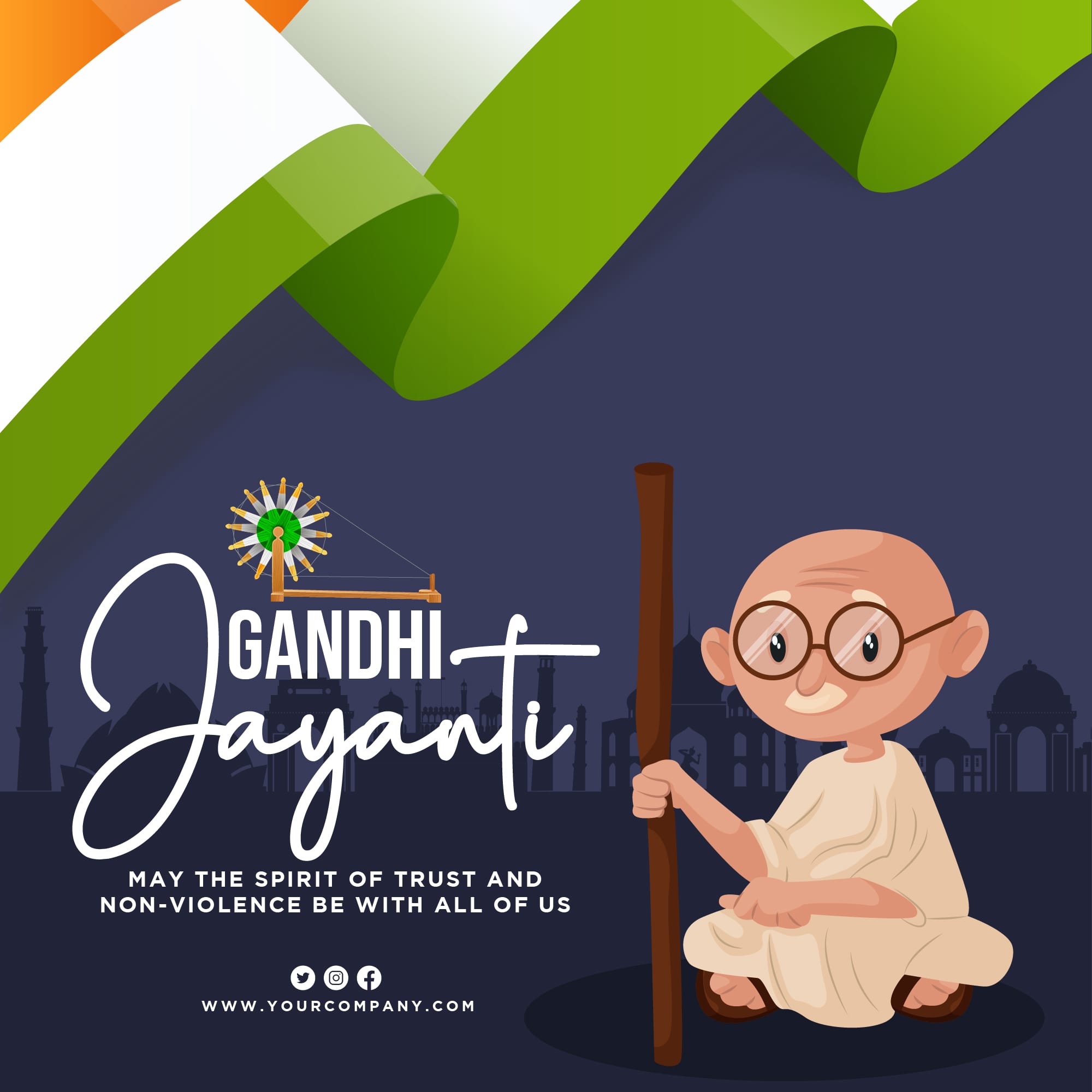
Every year 2nd October is celebrated as Gandhi Jayanti in India, which is the birthday of Mahatma Gandhi, the father of the nation. On this day schools and colleges hold special activities for students to participate in and pay tribute to Gandhiji. The activities performed are to remember his contribution to Indian Independence and pass it on to the younger generations.
26th September to 5th October, Ramlila.

Ramlila is a performance of the Ramayana epic that includes song, narration, recital and dialogue. It is performed across northern India during the festival of Dussehra. The most representative Ramlilas are those of Ayodhya, Ramnagar and Benares, Vrindavan, Almora, Sattna and Madhubani.
1st to 5th October, Durga Pooja.
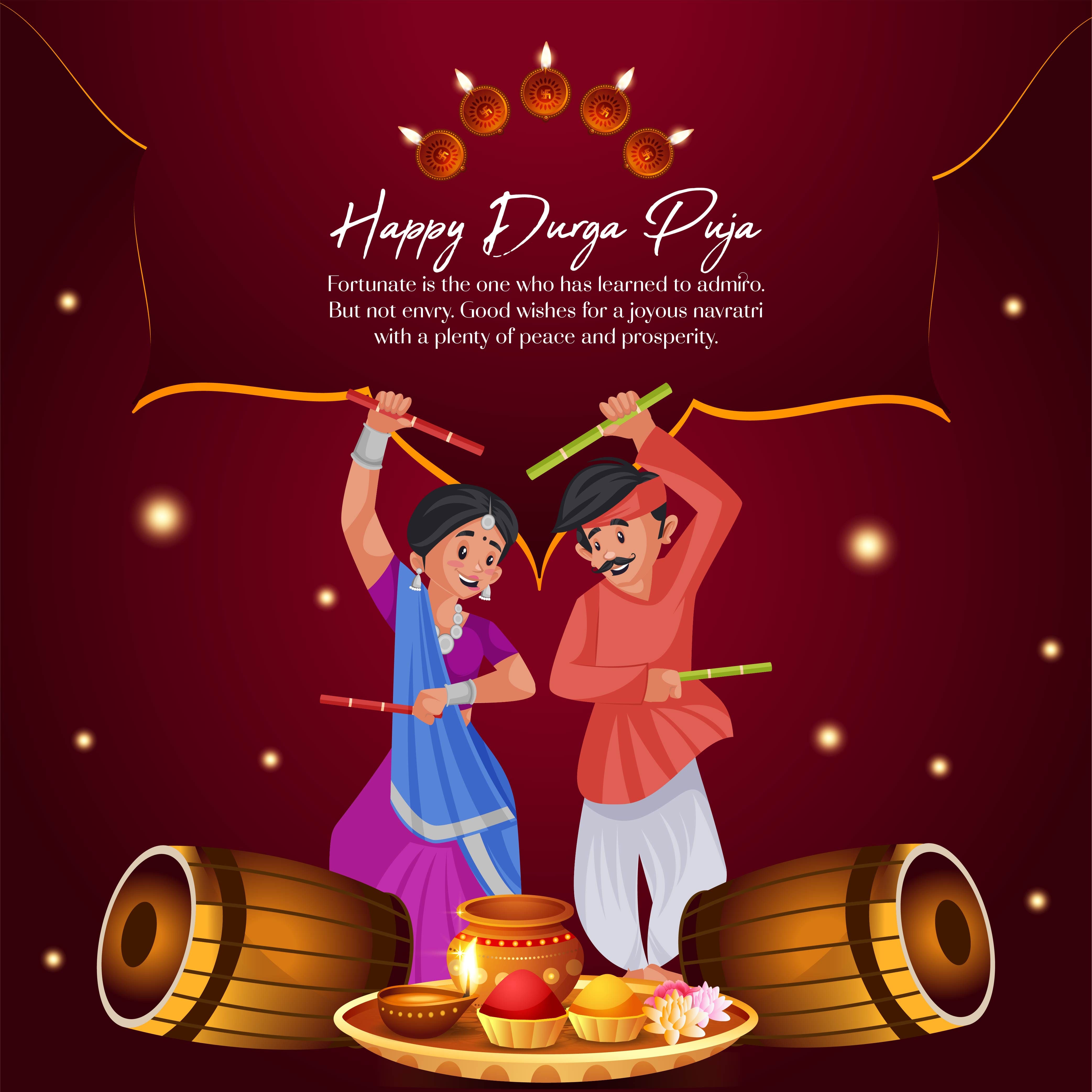
Durga Pooja is one of the biggest festivals of Bengalis, celebrated in the states of West Bengal, Assam, Tripura, Odisha, and Bihar. The festival is ten days long where the last five days hold the most importance, the festival celebrates the triumph of Goddess Durga over the demon Mahishasura. Cultural events are organized and people participate in various religious activities to rejoice in the festival.
3rd October, Durga Ashtami.

Durga Ashtami falls on the Ashtami tithi in the month of Karthik as per the Hindu calendar. The day is observed as the second day of the fight of Goddess Durga against the demon Mahisarur. The legend has it that when Lord Rama went to save his wife Devi Sita he prayed to Goddess Durga and the day marks the victory of good over bad.
4th October, Maha Navami.
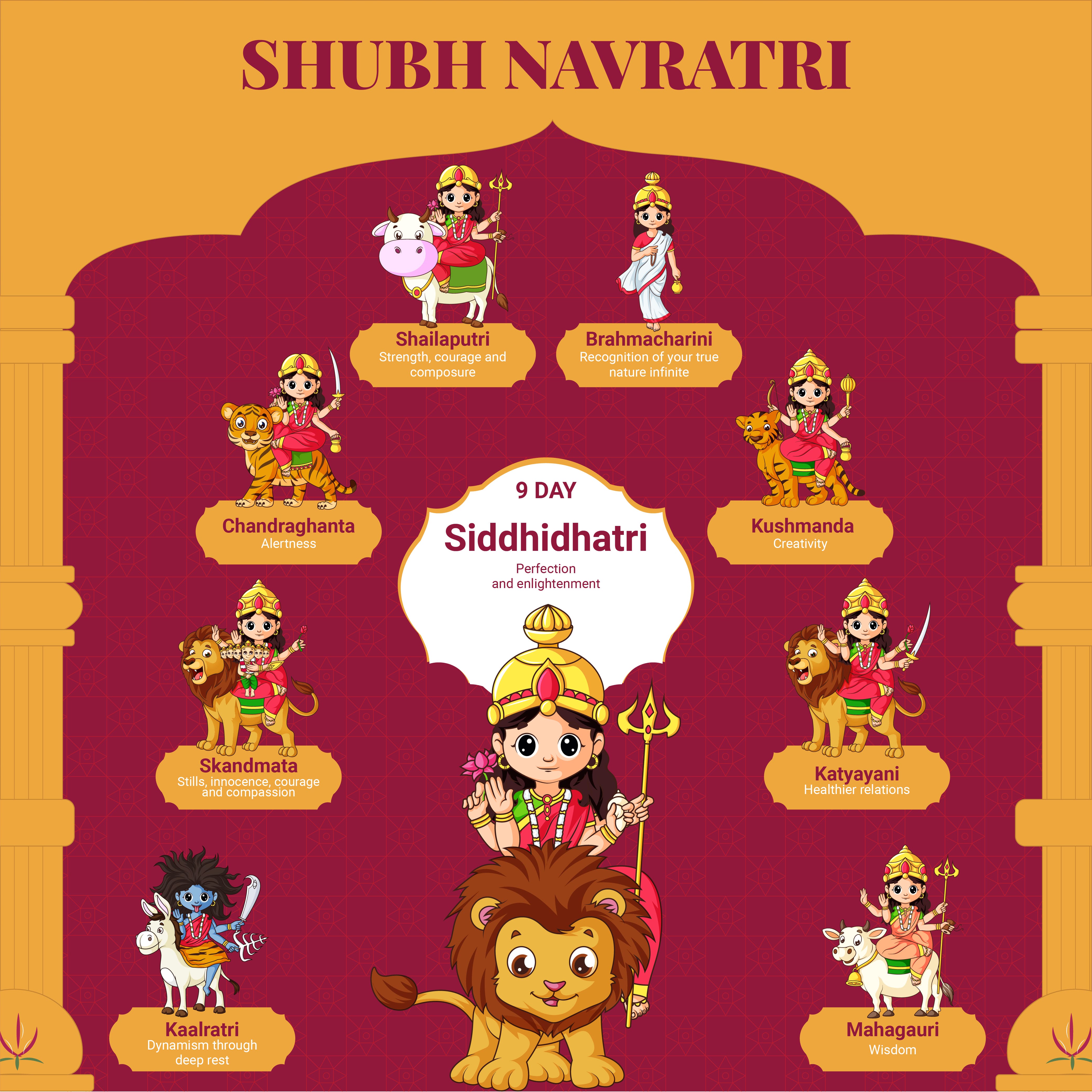
Maha Navami is the last day of Navratri which celebrates the end of Goddess Durga’s battle with demon Mahishasura and the victory of good over evil. The day is celebrated among various states of India and as the festival of Navratri comes to an end people celebrate it with much more enthusiasm, sing prayers, and prepare various offerings.
5th October, Dussehra.

Dussehra marks the victory of Lord Rama over the King of Lanka Ravana. On this day huge statues of Ravana are built around cities and are set on fire by an arrow pulled by a person in the dress-up of Lord Rama. Huge crowds are gathered to witness the conquest of Rama over Ravana and bringing Sita back safely.
7th-9th October, Eid-e-Milad.
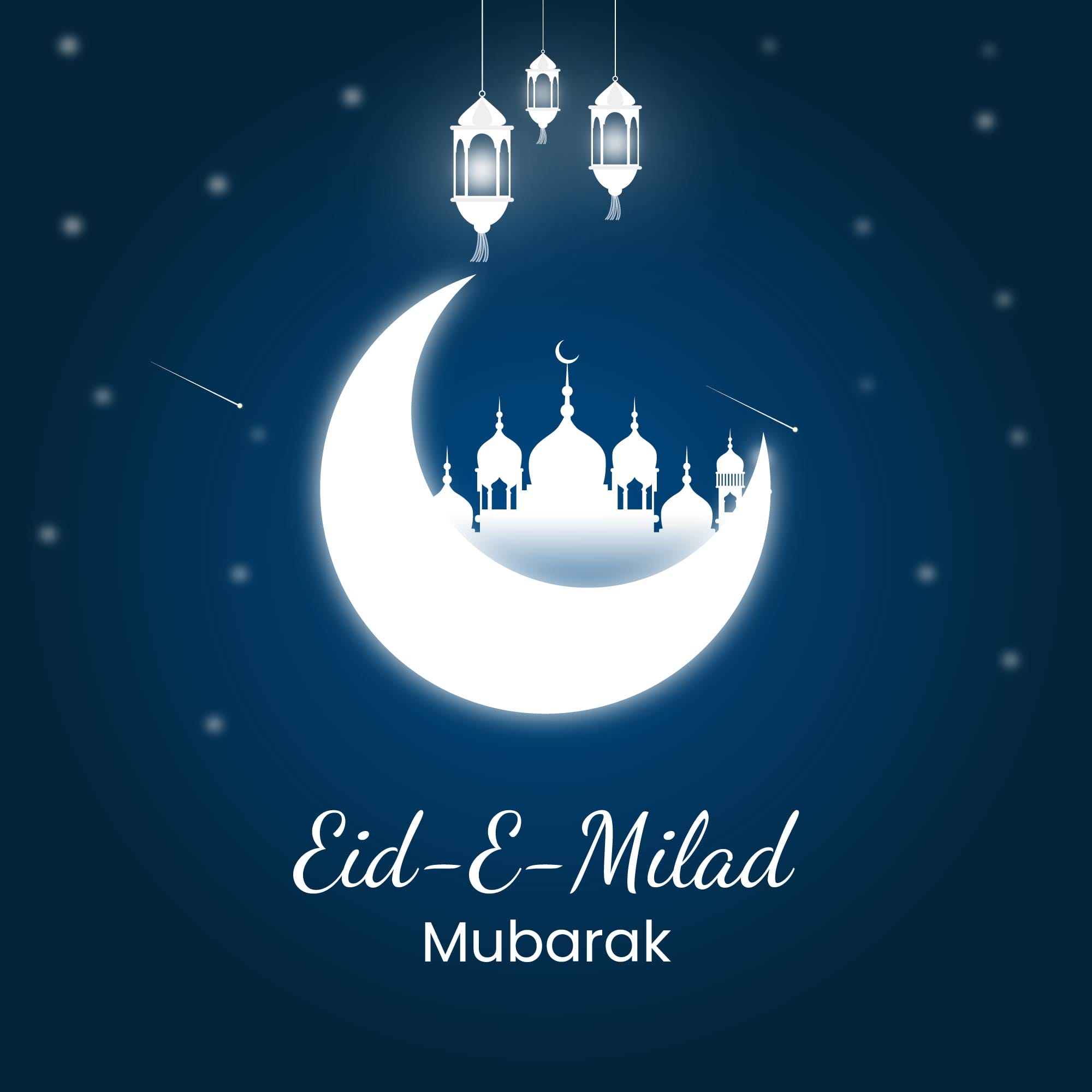
Eid-e-Milad is a cherished festival of Muslims, where they celebrate the birthday of Prophet Muhammad. On this day, people gather around mosques to sing prayers to the prophet, clean their houses, convey the teachings of Prophet Muhammad to their children, visit each other, and share sweets. The festival is widely celebrated by Muslims all over the world.
9th October, Valmiki Jayanti.
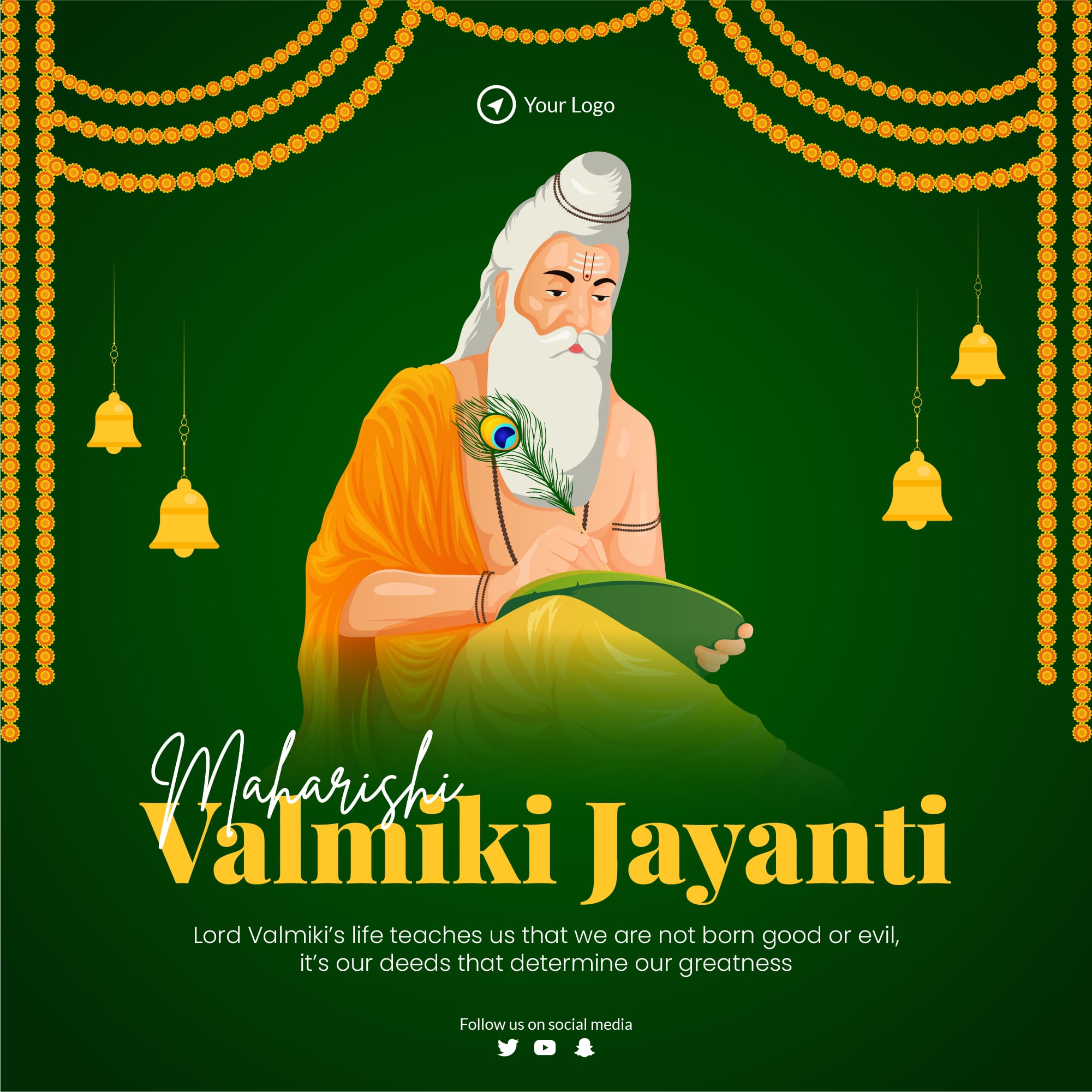
Valmiki Jayanti is observed to celebrate the birthday of one of the most renowned poets in Indian history, Maharishi Valmiki. He was also known as the adi kavi and is widely rejoiced as the writer of the epic Ramayan. This day is celebrated with great enthusiasm among the Hindus with sobha yatras and reciting of prayers.
13th October, Karwa Chauth.
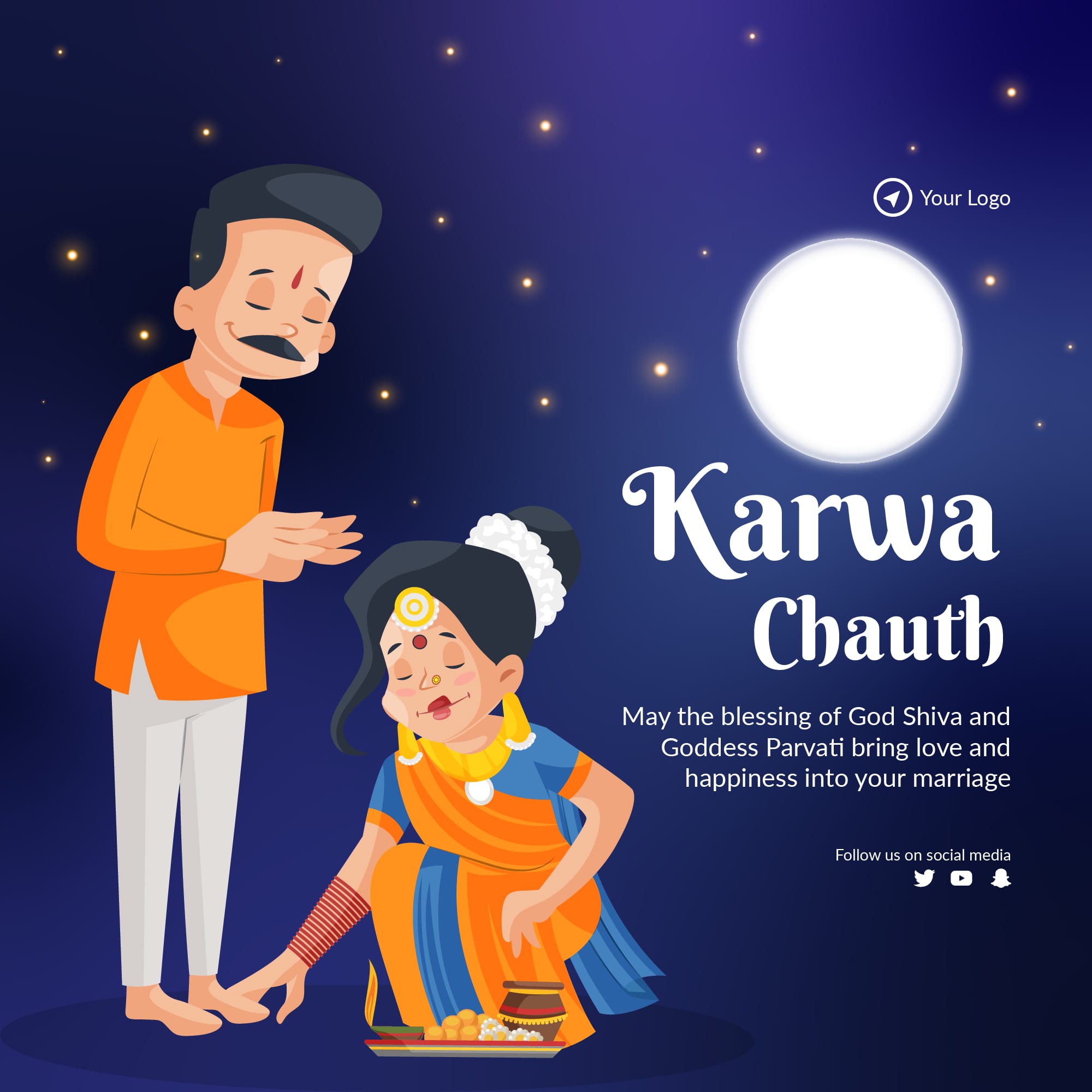
Karwa Chauth is celebrated by Indian women for the health and welfare of their husbands. The day is observed on the fourth day after Purnima in the month of Kartika according to the Hindu calendar. On this day women fast for the entire day and break the fast at the sight of the moon by eating from the hand of their husbands.
23rd October, Dhanteras.
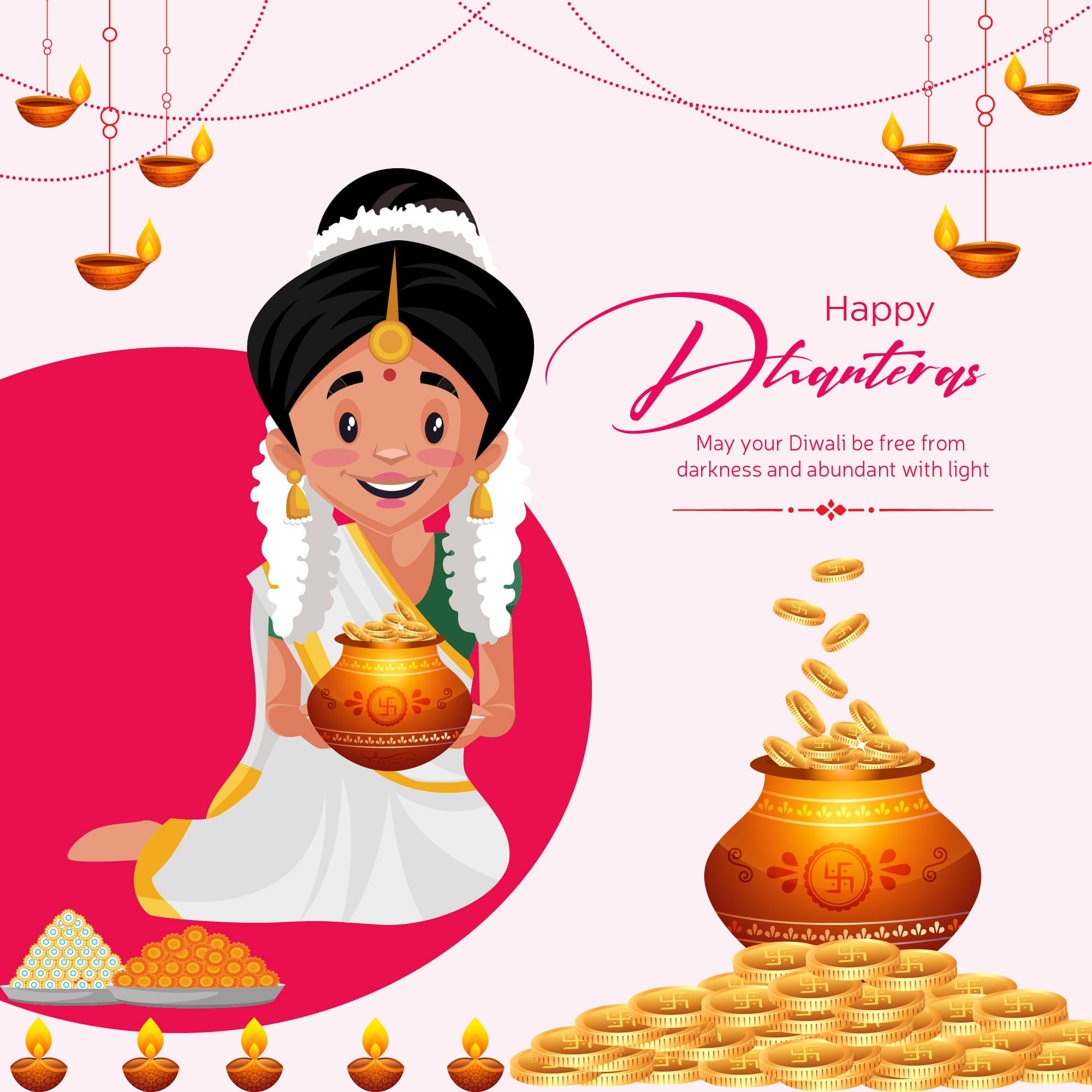
Dhanteras is the first day of Diwali where Goddess Lakshmi is worshiped. People often buy gold on this day and pray to Goddess Lakshmi, the goddess of wealth, for a prosperous life. Little footsteps of vermilion are drawn at the entrance to welcome the goddess into their homes.
23rd-24th October, Diskit Gustor Festival.
In October, the residents of Diskit, the Nubra Valley’s headquarters, celebrate the Diskit Gustor festival. It is one of the largest celebrations in the Nubra Valley, people from practically every community attend in large numbers. Diskit Gustor celebration, like other holidays in Ladakh, celebrates the triumph of good over evil by burning the effigy of the evil, called Storma in Ladakhi. During the two-day event, the monks of Diskit gompa perform Cham.
23rd October, Narak Chaturdashi/Choti Diwali.
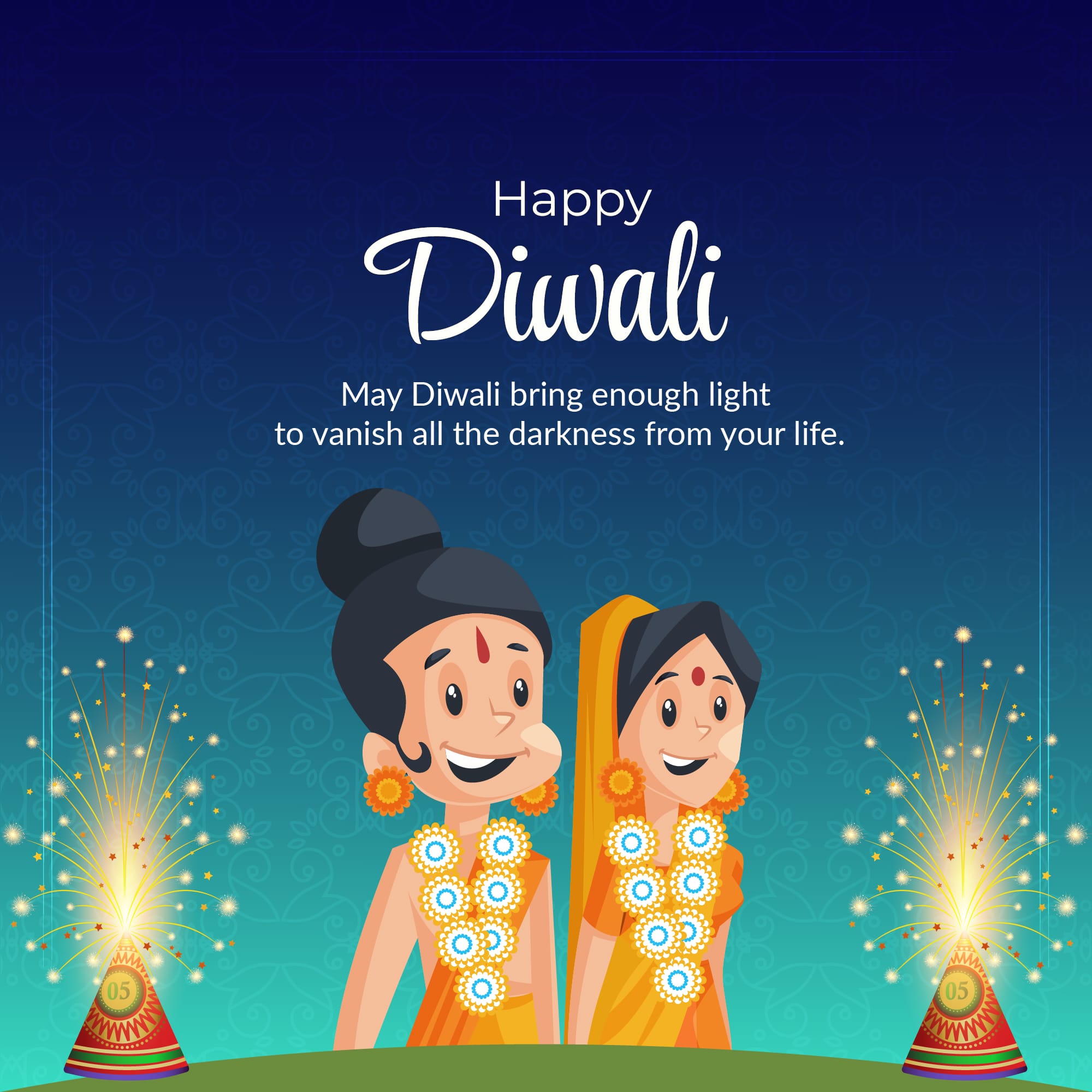
The second day of Diwali, Narak Chaturdashi, is the day when Krishna, Satyabhama, and Kali killed the demon Narkasura, according to Hindi literature. It is also a day dedicated to the lord of death, Yamaraj. The day is celebrated to remind that goodness in the heart can conquer any evil. Many different rituals for celebration are seen in different states of India.
24th October, Diwali.

The most celebrated festival in India, Diwali, marks the return of Lord Rama from his exile of 14 years. On this day people light up their homes with diyas, clean their homes as a cleansing of their minds, and celebrate by lighting firecrackers through the night.
24th October, Bandi Chorr Diwas.
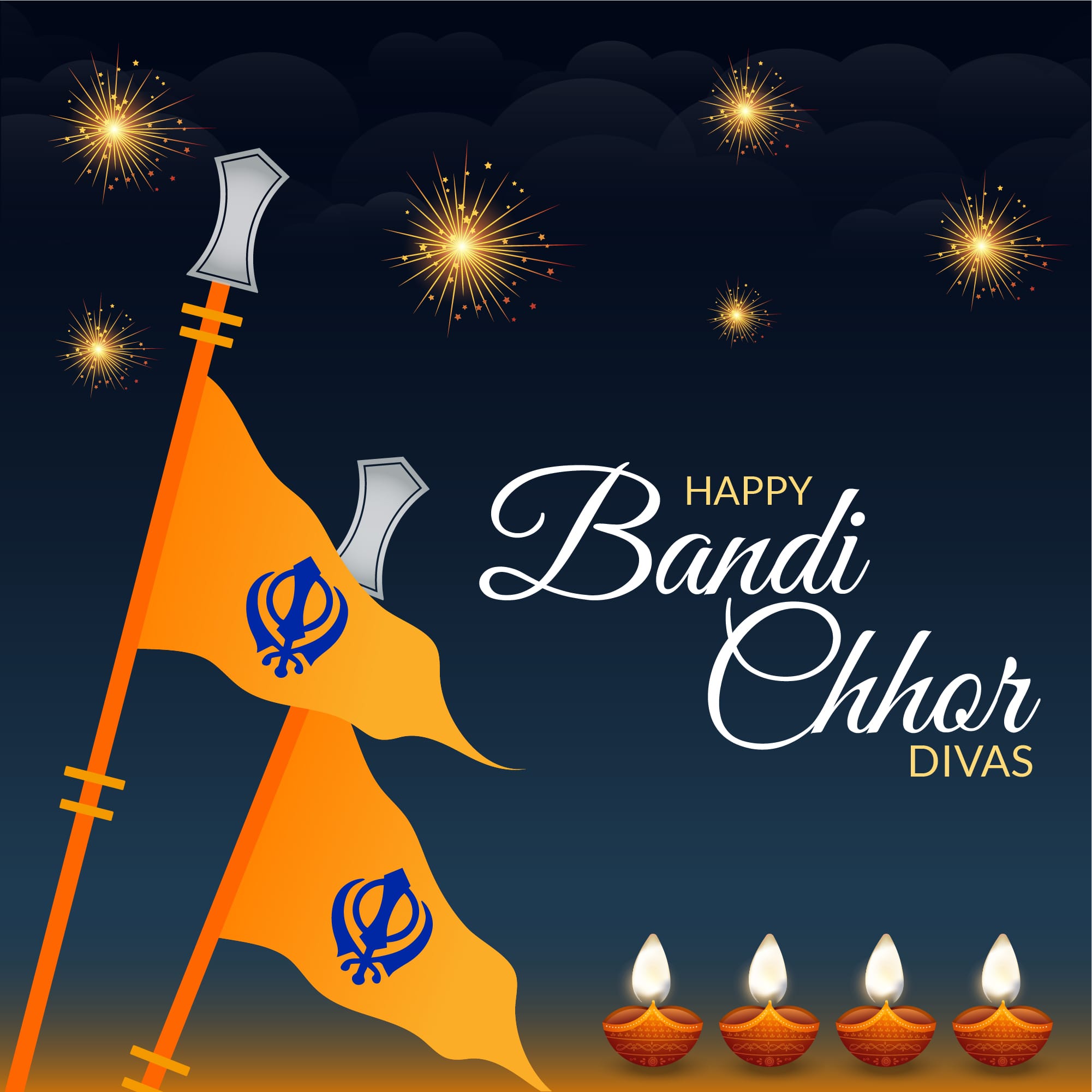
Bandi Chorh Diwas is a day when Guru Hargobind Sahib was released from Gwalior Prison along with 52 other Kings. The word “Bandi” means “imprisoned”, “Chhor” means “release” and “Divas” means “day”, so “Bandi Chhor Divas” literally translates to Prisoner Release Day. It is celebrated with great joy as it commemorates a time when “right” prevailed over “wrong”. The Mughals had held many hundreds of prisoners who were effectively “political prisoners”, even though they were innocent leaders of their communities. They had been jailed without trial or any other legal process; held against their wishes by pure force.
25th October, Govardhan Puja.

On this day Lord Krishna is worshiped, the legend that he lifted a mountain to protect the villagers from rain is passed down and a variety of offerings are prepared and prayers are sung worshipping the Govardhan Hill.
26th October, Bhai Dooj.

Bhai Dooj is celebrated among siblings, on this day sisters prepare certain food for their brother as gratitude and brothers bring gifts for their sisters. Bhai Dooj is celebrated in slightly different ways in different states of India.
30th October, Chhath Puja.
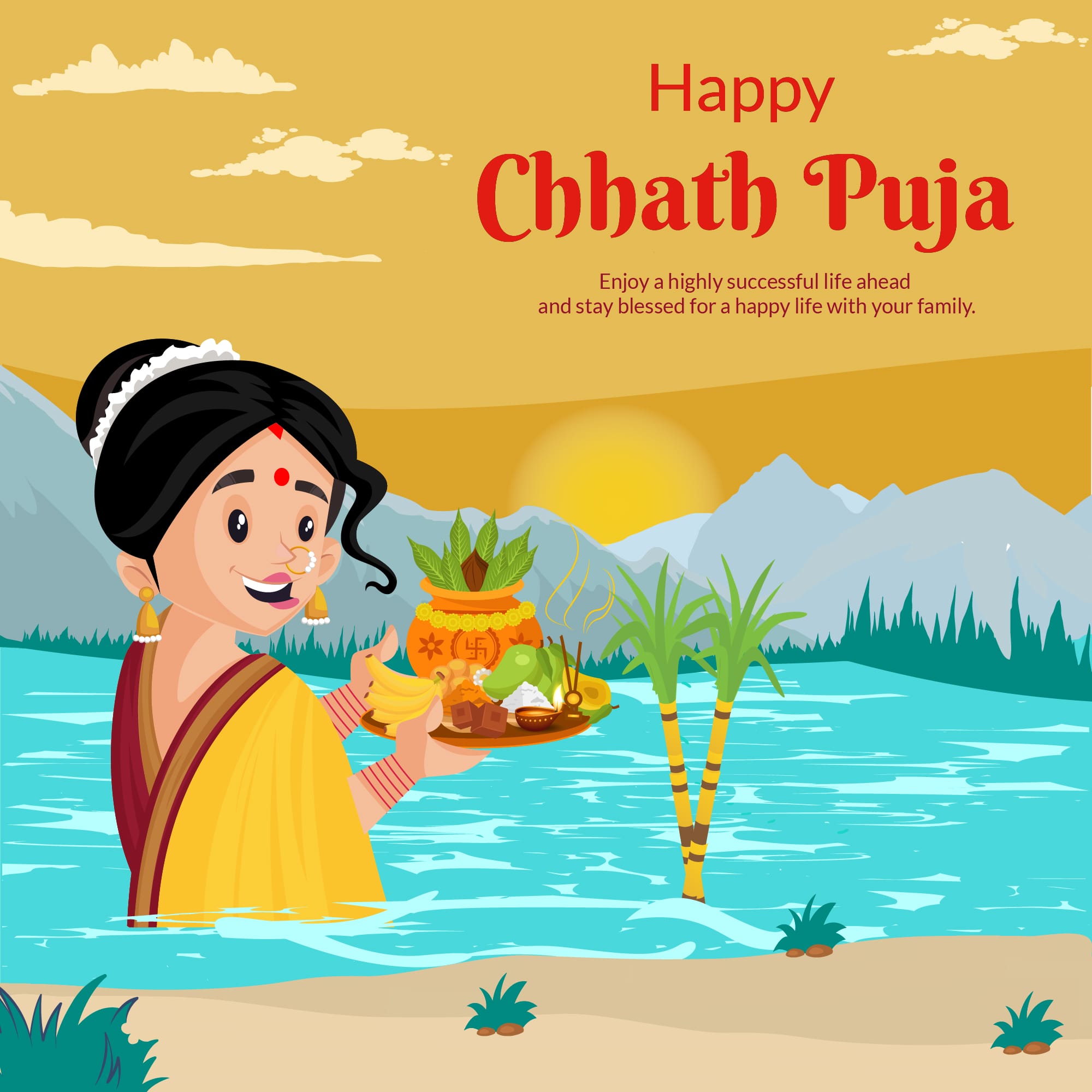
Chhath Puja is celebrated in some states of North India and lasts for about four days. The Sun God is worshipped during this period, the devotees fast without a sip of water, foods with no garlic, onion, or salt are prepared for offering, devotees also take a dip in the river and pray to the Sun god while standing in water.
31st October, Sardar Patel’s Birthday.
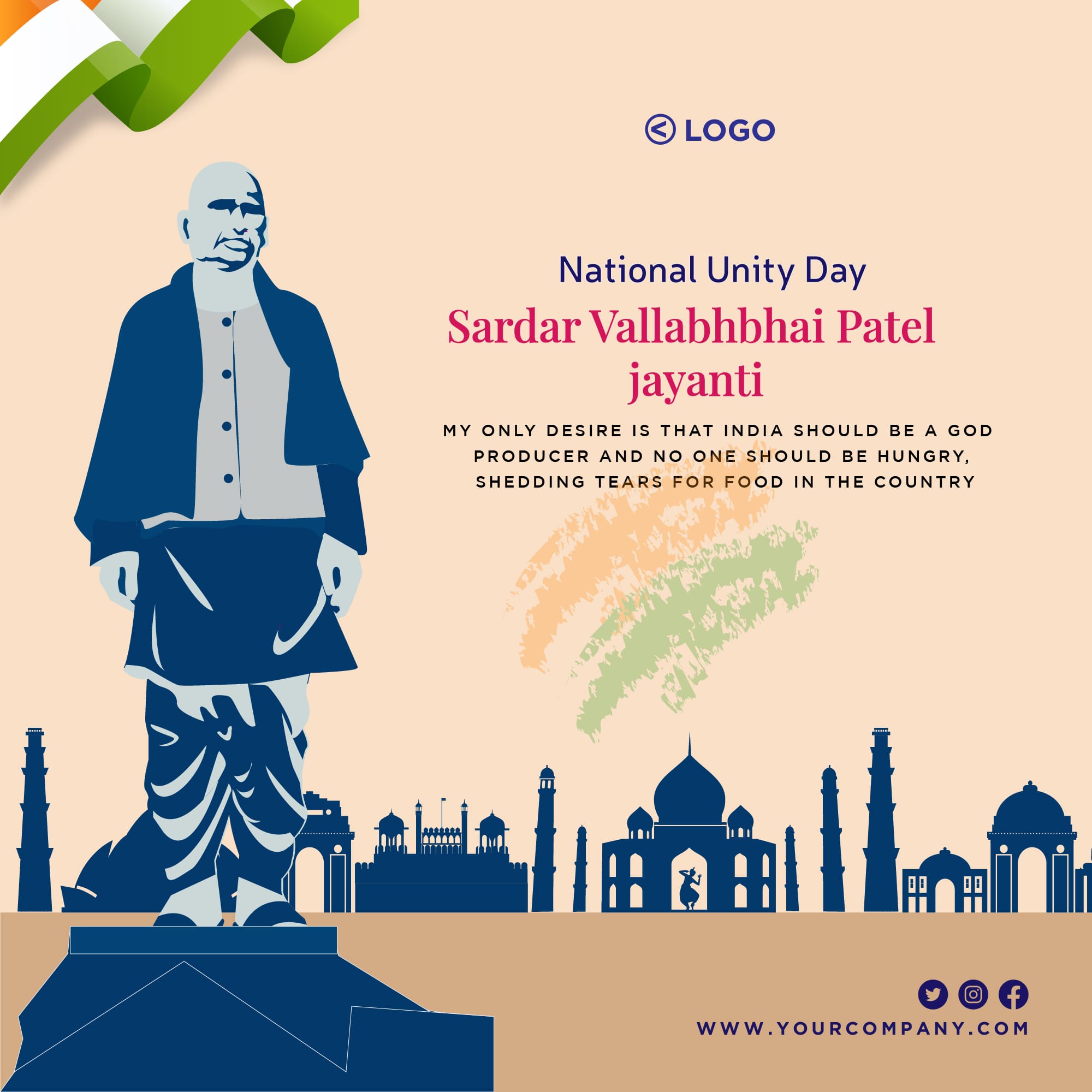
The birthday of Sardar Vallabhbhai Patel is celebrated majorly in Gujarat. On this day people remember the contribution of Sardar Vallabhbhai Patel in the Indian Independence struggle, share stories about his various activities in the betterment of society in schools and colleges, and pay their tributes.
31st October, Halloween.

The word “Halloween” is derived from All Hallows’ Eve and translates to “hallowed evening.” The modern holiday of Halloween has its roots in the pagan festival of Samhain. Over the centuries, people have celebrated Halloween by dressing up as saints and going door-to-door, which is the origin of Halloween costumes and trick-or-treating.
Bastar Dussehra.
This 75-day-long celebration takes place in the state of Chhattisgarh. Unlike other Dussehra celebrations in the country, this one does not commemorate Lord Rama’s victory over Ravana. It instead honors the local deity, Goddess Danteshwari Devi. People from the state’s various tribes dress up in vivid traditional clothing for the carnival. The latter ten days of the festival are the most magnificent, culminating on Dussehra.
Read More – Krishna Janmashtami Vector Graphics